
 FREE PICKUP
 FREE INSPECTION
 FREE DIAGNOSTICS
 REPAIR & FIX
 DELIVER BACK
 4.9 Google Review

You’re trying to park in a tight spot, close to a pillar. You’re waiting for that beep that tells you you’re in place. But then, the dash lights up with a park aid fault message. This can turn a calm parking moment into a stressful one, fast.
A park aid fault means your car’s parking system has found a problem. It might stop some features or turn them off to avoid wrong alerts. It’s usually a small issue, but it can make parking tricky when space is limited.
In the UAE, parking is never easy. You face tight spots, close to other cars and obstacles. A park aid fault means you lose a key tool for staying aware of your surroundings.
This guide will teach you about park assist, what warnings mean, and what might cause a fault. You’ll learn how to check your car at home, what professional diagnosis involves, and when to go to a Dubai workshop.
Remember, park aid is a tool to help you, not replace your own awareness. Always use mirrors, cameras, and look around for people, pillars, and low curbs. This is even more important in crowded UAE parking areas.
Key Takeaways
- A park aid fault means the system detected an issue and may reduce or disable parking assistance.
- In the UAE, tight mall and basement parking makes any parking technology problem more risky.
- A fault in parking aid can cause false beeps, missed obstacles, or sudden system shutdowns.
- You’ll learn what warnings mean and how to tell a temporary glitch from a real failure.
- You’ll get safe checks you can do before booking service, without making the problem worse.
- Parking aids help, but you must always rely on mirrors, cameras, and direct observation.
Understanding Parking Assistance Systems and How They Work
Your parking system helps you judge distance at slow speeds. It’s useful in tight spots where it’s hard to see. It alerts you with sounds, lights, or a camera view, making parking in UAE easier.
When you have trouble with your park aid, knowing how it works is key. A single weak signal can affect the whole system. Some cars might ignore one sensor, while others turn off the feature to avoid bad advice.
What your park assist system is designed to do
It detects objects nearby while you park. You’ll hear faster beeps as you get closer. You might see distance bars that shrink as the gap gets smaller.
On higher trims, it checks what it hears with a rear camera and sometimes radar. If these don’t match, you might see an error message. But the car will likely keep driving normally.
Common components: sensors, control module, wiring, and display
Most systems use ultrasonic sensors in the front and rear bumpers. Sometimes, there are side sensors too. These sensors send and receive sound waves to the control module.
- Sensors that detect distance to obstacles
- Control module that interprets signals and talks on the vehicle network
- Wiring and connectors that carry power, data, and ground
- Driver interface such as cluster warnings, infotainment graphics, and a buzzer or speaker tone
When you have a parking sensor issue, it could be the sensor face, connector pins, or module logic. Quick guesses can waste time.
Why parking technology problems happen in real-world driving
Daily driving in the UAE can be tough on these systems. Sand and dust can coat sensors, and heat can stress them over time.
Minor bumps, repainting, or strong wash chemicals can affect sensor readings. In stop-and-go traffic, sensors trigger often. This makes small glitches more noticeable during checks.
A single sensor drift can show as a parking sensor issue or a parking assistance error. This error might disable the whole feature until it sees stable readings again.
park aid fault: What It Means When Your Car Warns You
When your car shows a park aid fault, it means it can’t rely on what it sees near the bumper. You might hear a short chime, see a muted alert, or get a message when parking. In the UAE, the heat, dust, and tight parking spots can make these warnings sudden.
Some warnings might be easy to miss, like when they only appear at low speeds. Knowing the common signs helps you react faster and avoid confusion.
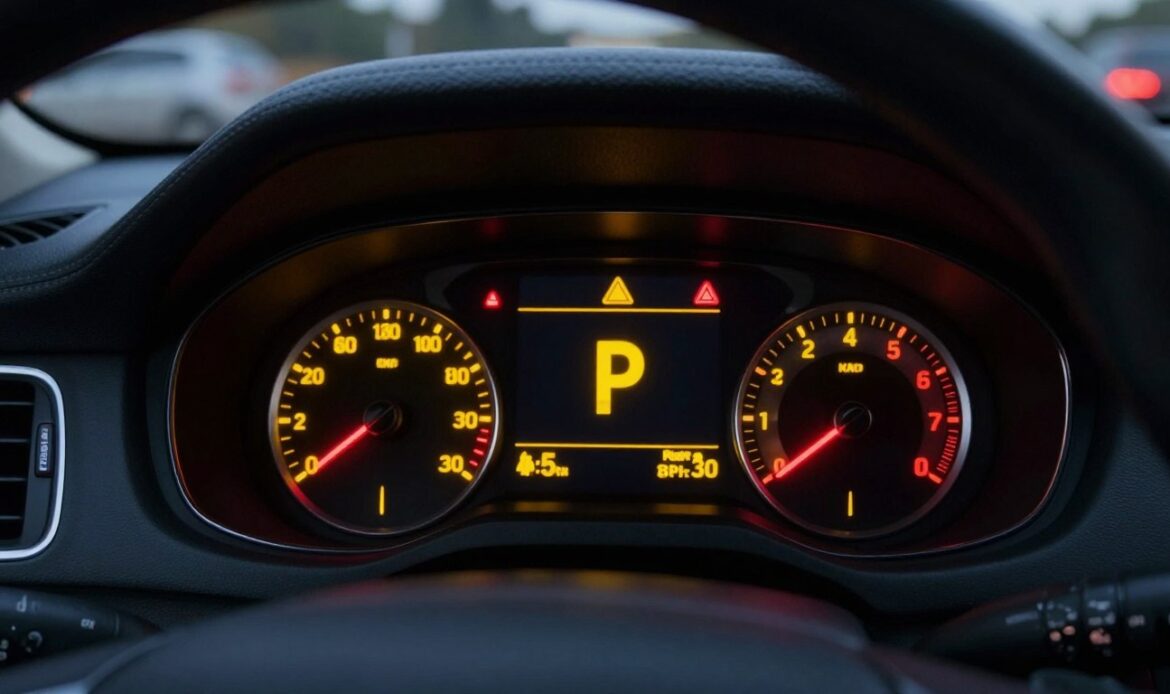
How to interpret park assist warning lights and dashboard messages
The first signs are usually park assist warning lights and a clear message on the screen. Many cars show messages like “Park Assist Unavailable” or “Park Aid Fault,” along with a sensor graphic.
Driver-facing indicators often include:
- A constant tone that doesn’t match the space around you
- A flashing sensor display that sticks on one side
- A warning symbol in the instrument cluster
- A sudden car sensor error message when you shift into Reverse
In everyday driving, this can feel like false beeps near nothing, or no beeps when close to a curb. This makes the feedback unreliable while parking.
When a warning is temporary vs. when it signals an assistance system failure
A temporary alert often matches the environment. Heavy rain can scatter ultrasonic readings, and extreme heat can make electronics more sensitive. A dirty bumper, road film, or stuck-on sand can also affect distance readings.
If the system comes back after cleaning the area or restarting the car, it might have been a brief issue. You might see park assist warning lights for a moment, then normal detection returns.
An assistance system failure is different because it keeps happening. If the warning stays through multiple restarts, shows up every drive cycle, or the system disables as soon as you select Reverse, it points to a deeper issue. You may also notice whole sensor zones stop responding, followed by a repeating car sensor error that won’t clear on its own.
How symptoms differ across brands and model years
Not all cars react the same way. Some models isolate the problem and mute only one corner sensor, so you get partial coverage. Other vehicles shut down the full feature if one sensor reads out of range or the control module can’t validate the signal.
On older model years, you might only get a basic chime pattern and a simple warning light. Newer systems tend to show a detailed graphic, highlight the affected zone, and log a car sensor error faster. In real parking, that can mean the difference between one “blind” corner and a full shutdown that changes how you judge distance.
Most Common Causes of a Parking Assistance Error
When your system throws a parking assistance error, it often comes down to inputs the sensors can’t trust. In the UAE, heat, dust, and frequent washing can make small problems show up fast. A quick review of the usual causes helps you narrow the likely source without guessing.
Dirty, blocked, or misaligned sensors causing a car park sensor issue
A car park sensor issue can start with simple contamination. Road grime, wax residue, thick ceramic coatings, or stuck-on stickers can dull the sensor face and skew distance readings.
Overspray from paintwork can also create a thin film that changes how the signal reflects. After a minor bump, a sensor can get pushed inward or sit at a slight angle, which may cause a parking sensor malfunction even when the bumper looks fine.
Electrical problems: blown fuses, corrosion, and loose connectors
Many cases of parking assistance error trace back to power and signal flow. A blown fuse on the parking aid circuit can shut down the system with no warning signs beyond the message on your dash.
- Corrosion at connectors after moisture exposure or frequent washes
- Loose plugs after bumper removal during body work
- Harness damage near bumper corners where wiring flexes and clips can break
These faults can act like an on-and-off parking sensor malfunction, making it hard to diagnose. This is because vibration or temperature changes can affect a weak connection.
Software glitches and calibration problems
Sometimes the hardware is fine, but the control module logic flags a problem when sensor values drift outside expected limits. This can present as a parking assistance error even if the sensors sometimes beep.
On some vehicles, calibration is required after sensor replacement, bumper removal, or repainting. If calibration is skipped, you may notice a car park sensor issue like uneven detection zones or alerts that don’t match the real distance.
Aftermarket modifications and bumper repairs that trigger faults
Aftermarket parts can introduce mismatches the system was not designed to handle. Non-OEM sensors with the wrong frequency may fit the bumper but trigger a parking sensor malfunction.
- Poorly routed wiring for accessories that adds interference or strain
- Tow hooks or plates that sit too close and confuse reflections
- Body kits or bumper repairs that change sensor angle and reflection patterns
If the system behavior changed after cosmetic work, this history can be a key clue behind the parking assistance error you’re seeing.
Signs of a Vehicle Sensor Malfunction You Shouldn’t Ignore
When your park assist starts acting “off,” it often follows repeatable patterns. A vehicle sensor malfunction can feel minor at first. But it can change how you judge tight parking bays and basement pillars around Dubai.
Constant beeping, false alerts, or no detection at all
Listen for a continuous tone the moment you shift into Reverse, even with a clear lane behind you. This kind of instant alarm can point to a vehicle parking sensor issue. It’s a problem if it happens every time you park.
Another red flag is one corner that always “sees” an obstacle. You may notice the same side beeps faster than the other. Or a warning pops up near the same rear sensor again and again.
- Constant beeping as soon as Reverse engages
- One specific corner triggers alerts in open space
- Complete silence even when a wall is close behind you
Intermittent operation in heat, rain, or heavy traffic
If the system works in the morning and fails later, pay attention to UAE conditions. High heat can warm the bumper after sun exposure. This may reveal weak sensor response or tired wiring.
Humidity swings, heavy rain spray, and stop-and-go traffic can also cause on-and-off alerts. In these cases, a car sensor error may appear, disappear, then return when the system cycles often.
Unusual sensor readings and sudden car sensor error messages
Watch for distance readings that jump without a clear reason. If one sensor reports “0 cm” with nothing there, or the display flickers between close and far, it can signal a borderline connection starting to fail.
You may also get a warning that clears on its own, then returns on the next parking attempt. Over time, that inconsistency can train you to ignore alerts. This raises the chance of bumper scrapes in narrow spots when a vehicle parking sensor issue is developing.
Troubleshooting Park Aid at Home Before You Book Service
Before you visit a workshop in the UAE, you can check a few things at home. Dirt, moisture, or a small connection issue near the bumper often cause problems. A simple check can help you explain the issue if you need service.
Safe cleaning steps to address a parking sensor malfunction
Start by rinsing the sensors gently to remove dirt and road film. Use mild car shampoo and clean water. Then, wipe each sensor face with a soft microfiber cloth. Avoid harsh solvents and don’t let wax or residue sit on the sensors, as it can affect detection.
Quick checks for a vehicle parking sensor issue (visual inspection and fuse check)
Stand a few feet back and look for anything out of place. You’re checking for a vehicle parking sensor issue without tools.
- Cracked sensor rings or chipped edges around the sensor
- Sensors pushed in too far, sticking out, or sitting at an odd angle
- Loose bumper trim, gaps, or signs the bumper cover shifted after a tap
- Obvious harness exposure near bumper corners or under the lip
Next, check the fuse. Use your owner’s manual to find the fuse box diagram. Then, locate the park assist or parking aid fuse and confirm it’s intact. If it keeps blowing, it’s a sign of deeper electrical trouble, not just a simple fix.
Battery reset and reboot steps that may clear minor errors
Some glitches clear after a clean reboot. Turn the ignition fully off, lock the vehicle, and wait a few minutes. Then, restart and recheck the alert.
Disconnecting the battery can also clear a temporary module hiccup. But, it may reset other settings in your car. If the fault in parking aid returns right away, a reset is usually not enough.
What to avoid so you don't worsen a fault in parking aid
A few common mistakes can make a small warning into a bigger repair. These precautions help you avoid making a fault in parking aid harder to trace during troubleshooting park aid.
- Don’t pressure wash directly into sensors at close range
- Don’t pry sensors out from the bumper without the correct method
- Don’t add non-approved paint thickness over sensors
- Don’t replace parts at random; it can raise costs and keep troubleshooting park assist problems going
How to Diagnose the Park Aid System Like a Pro
When a warning pops up in Dubai traffic, you need facts fast, not guesses. To diagnose park aid system problems well, you look at data, test the sensors, then confirm power and signal paths. This helps you sort a simple parking assistance error from a deeper assistance system failure.
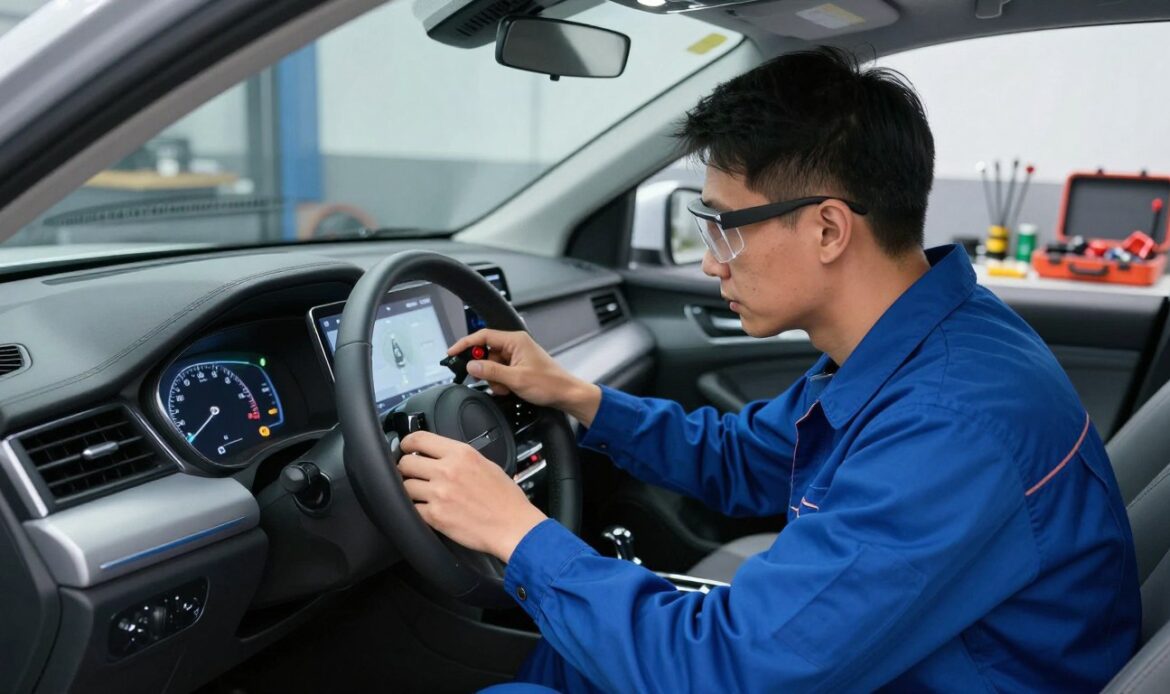
Using OBD scanning to identify codes linked to parking assistance error
An OBD scan is your first filter because it points you to a circuit, not a rumor. Codes can show an open or short in a sensor line, a network message problem, or a module that is not responding. When you diagnose park aid system faults this way, you can narrow a parking assistance error to one corner, one sensor channel, or the control unit.
In some vehicles, basic readers only show generic results. For calibration, coding, or deeper module data, you may need manufacturer-level tools used by brands like Toyota, Nissan, BMW, Mercedes-Benz, or Ford. That matters when the warning keeps coming back and starts to look like an assistance system failure.
Testing sensor response and confirming a car park sensor issue
Next, you verify each sensor reacts the way it should. Many ultrasonic sensors produce a faint “tick” when active, and you can compare left and right behavior at the same distance. If one sensor stays silent or reads erratically, you may have a car park sensor issue tied to that unit.
A clean swap test can sharpen the diagnosis. If the fault follows the sensor after you move it, you’ve confirmed the sensor is the cause. If it stays at the same bumper corner, you treat it as wiring, connector, or module related, which often shows up as a repeating parking assistance error.
Wiring and module checks for assistance system failure
When several sensors fail together, you look past the sensors. You check connector pin fitment, water entry, corrosion, and harness damage near the bumper edge. You also verify continuity, ground integrity, and stable power supply to the control module to rule out an assistance system failure.
Module checks include watching live data, confirming sensor line voltage, and verifying network communication. A loose ground or a weak supply can mimic multiple bad sensors at once. That’s why you diagnose park aid system wiring before you replace parts.
When calibration is required after bumper, paint, or sensor work
Calibration becomes important after bumper removal, repainting, sensor replacement, or any change in sensor aim. Even a new paint layer or shifted bracket can change how reflections are read. Without calibration, the system may misjudge distance and keep triggering a parking assistance error.
Some brands require scan-tool routines for aiming, learning, or programming after repairs. If you skip that step, the fault can return and feel like an assistance system failure, even when the hardware is fine.
How to Fix Parking Aid Faults: Repair Options and What to Expect
When your park assist system fails in Dubai traffic or a crowded mall garage, finding a quick fix is essential. The first step is to decide whether to clean, re-aim, or replace it. Knowing how to fix parking aid faults helps avoid unnecessary warnings and saves parts.
Sensor cleaning vs. re-aiming vs. replacement
Cleaning is effective when dirt or wax blocks the sensor’s ultrasonic face. This can happen after a wash or in rainy conditions. A thorough clean can fix the issue without deeper repairs.
Re-aiming is needed if a sensor shifts after a small bump or bumper work. If it’s angled or loose, it may detect the ground or nearby trim. This can cause false alerts even when there’s nothing behind you.
Replacement is necessary for internal failures, water damage, or a cracked housing. If warnings keep coming back, or one sensor stays dead, it’s time to replace it. Many drivers end up here when trying to repair park assist errors that won’t go away.
Parking aid sensor replacement: parts, compatibility, and installation notes
Choosing the right parking aid sensor replacement starts with the correct type for your vehicle. The frequency and connector style must match. The sensor must fit your make and model well, but also consider the bumper shape and bracket fit for accuracy.
If your sensors are body-colored, be careful with paint. Thick paint can reduce sensitivity and change the signal tone. A clean fit, correct seating depth, and even finish ensure consistent detection.
Module repair, software updates, and reprogramming
Not all faults are sensor issues. Some vehicles need a firmware update to fix glitches, like when the system connects to cameras or infotainment. If the module loses network communication, you might see random warnings.
After replacing parts, reprogramming may be needed. This ensures the control unit recognizes the new sensor IDs. This step is often overlooked when trying to repair park assist errors and the dash message keeps coming back.
Cost factors in the UAE: labor, parts availability, and vehicle type
In the UAE, prices vary based on vehicle type, sensor count, and availability. Economy models often have simpler arrays, while premium brands may need special tools and calibration. Labor costs can increase if sensors share routes with rear cameras or radar units.
Choosing parts is also important. OEM parts might be faster for certain models, but high-quality aftermarket options can be practical when parts are hard to find in Dubai. Calibration after bumper removal or paint work adds to the time needed.
After the repair, thorough testing is essential. Check distances on each corner and ensure no codes return. This final step is key to fixing parking aid faults effectively for daily driving.
When You Need a Workshop in Dubai for Repair Park Assist Errors
If your car’s warning light comes on every time you drive, it’s time to act. Book a visit to a Dubai workshop to fix park assist errors. This is also true if the system stops working, then starts again after a reset. This usually means there’s a stored problem, not just a one-time issue.
You have a persistent warning message that returns within minutes.
More than one sensor reads offline or you lose the display view.
You notice water intrusion after a heavy wash, rain, or a minor accident.
You see cracked insulation, loose connectors, or wiring damage near the bumper.
You’re dealing with a repeated parking sensor malfunction that makes the system unusable.
In Dubai, getting help for park assist problems is easy. The right shop has the tools and equipment needed. They can also remove and put back the bumper correctly, avoiding damage.
Waiting too long to fix problems can be risky. False alerts can be distracting, and missed detection can cause damage. Corrosion inside connectors can lead to bigger electrical issues.
Before you go, have all the details ready. Tell the technician when the problem started and if any work was done on your car. Mention if weather or recent car work has made it worse. Also, let them know about any recent battery or accessory changes.
If you drive an Audi, check out Audi diagnostic services Dubai. It shows what to expect from top-notch diagnostics and warranty-backed repairs in the UAE. This can help you avoid unnecessary visits to fix park assist errors.
Exclusive Auto Repairing Dubai: Diagnostics and Full-Service Support
When your parking alerts act up, you need clear answers fast. At Exclusive Auto Repairing Dubai, we focus on accuracy. This means you’re not paying for guesswork or repeat visits.
How we handle troubleshooting park assist problems and confirm the root cause
We start with a quick symptom check in real conditions, not just in the bay. Then, we use Car Scanning to pull stored faults and live data tied to sensors and control modules.
Next, we give you a simple breakdown of what’s most likely. This could be a sensor issue, wiring trouble, or a module or calibration problem. We also check connectors for moisture, corrosion, and loose pins. Small contact issues can trigger big warnings.
After any fix, we validate your system again. This ensures the alert doesn’t return during normal parking. This step helps cut repeat failures and saves you time.
Services that support reliable repairs: Car Scanning, Car Maintenance, and Car Engine Repair
Car Scanning helps you pinpoint faults that may involve more than one module. This includes communication and voltage-related errors. When your vehicle has weak power delivery, parking systems can misread signals and act erratic.
Car Maintenance supports long-term reliability by reducing conditions that lead to recurring warnings. This includes battery strain, aging wiring, and neglected grounds. If you’re dealing with broader drivability issues that impact electrical stability, Car Engine Repair can address the underlying problems that disrupt system communication.
Additional service types available: Car AC Repair, Car Oil Change, Car Transmission Repair, Car Battery Replacement, Car Recovery, Car Sanitization
You can bundle related work in one visit, which helps when your schedule is tight in Dubai traffic. Available options include:
- Car AC Repair
- Car Oil Change
- Car Transmission Repair
- Car Battery Replacement
- Car Recovery
- Car Sanitization
Contact details and calling hours (24 hours): +971 56 326 8124 | [email protected]
Calling Hours: 24 hours | +971 56 326 8124 | [email protected]
If you’re stuck in a loop of troubleshooting park assist problems, reach out. Share your vehicle details and the exact message you see. You’ll get a clear plan, backed by Car Scanning results and supported by Car Maintenance that keeps the fix stable.
Conclusion
Seeing a park aid fault on your dash often means there’s a simple fix. It could be a dirty sensor, a sensor that’s not quite right, or moisture on the bumper. Sometimes, it’s a loose connector, corrosion, a blown fuse, or a software glitch.
Start by cleaning safely and checking the sensors and wiring visually. If you’ve had bumper paint or minor repairs, calibration might be needed. Ignoring these issues can cause false beeps, missed obstacles, and stress in Dubai’s tight parking spots.
If the problem comes back after basic checks, don’t jump to parts right away. A thorough scan and targeted tests can pinpoint the problem. This saves time and avoids unnecessary visits due to uncorrected malfunctions.
For quick, accurate diagnosis and reliable repair in the UAE, contact Exclusive Auto Repairing Dubai. Call them anytime (24 hours) at +971 56 326 8124 or [email protected]. They’ll help you understand and fix your park aid fault for safe parking support.
FAQ
Q: What does a park aid fault mean on your dashboard?
A: A park aid fault means your car’s parking system has a problem. It might stop working to avoid false warnings. You can probably park okay, but it’s a serious parking assistance error.
Q: Why does a parking assistance error matter so much in Dubai and the UAE?
A: In Dubai, tight spaces and busy traffic make parking systems key. A parking technology problem can lead to false beeps or no alerts. This is dangerous near pillars, low curbs, and pedestrians.
Q: What are the most common park assist warning lights and messages you may see?
A: Common messages include “Park Assist Unavailable,” “Park Aid Fault,” and a flashing sensor graphic. You might also hear a constant tone when reversing. These park assist warning lights show up when the system can’t trust its sensors or control module.
Q: Can a park aid fault be temporary, or is it always a serious assistance system failure?
A: A temporary fault might be caused by dirt, rain, or extreme sun. But if the warning keeps coming back or disables instantly, it’s a serious assistance system failure that needs fixing.
Q: What causes a car park sensor issue most often?
A: The most common car park sensor issue is dirt or wax residue blocking the sensor. A misaligned sensor after a minor bumper tap can also cause problems.
Q: Can electrical faults trigger a fault in parking aid?
A: Yes. A blown fuse, corroded connectors, or damaged wiring can cause a fault in parking aid. These issues can also lead to ongoing car sensor errors even if the sensors look clean.
Q: Do software glitches and calibration problems cause parking assist faults?
A: Yes. If sensor readings are off, the system may log a vehicle sensor malfunction and disable parking assist. After repainting or replacing sensors, calibration is often needed to stop repeat parking assistance error messages.
Q: Can bumper repairs or aftermarket parts create a vehicle parking sensor issue?
A: Yes. Non-OEM sensors, body kits, tow hooks, or poorly routed wiring can cause vehicle parking sensor issues. Even good paintwork can be a problem if it’s too thick or doesn’t seat sensors correctly.
Q: What are the signs of a parking sensor malfunction you shouldn’t ignore?
A: Watch for constant beeping in Reverse, false alerts near nothing, or no detection near obstacles. If one corner always triggers, it’s likely a localized car park sensor issue and not a full-system failure.
Q: Why do park assist problems show up in heat, rain, or stop-and-go traffic?
A: UAE heat stresses sensor electronics, while moisture and road spray affect connectors and sensor faces. Stop-and-go traffic exposes wiring faults, causing intermittent assistance system failure symptoms.
Q: What safe at-home steps can you take when troubleshooting park aid?
A: For troubleshooting park aid, start by rinsing off dirt. Then, clean sensors with mild car shampoo and a soft cloth. Check for cracked sensor rings, misaligned sensors, loose bumper trim, and exposed wiring near the bumper edge.
Q: Should you check fuses when troubleshooting park assist problems?
A: Yes. When troubleshooting park assist problems, confirm the park assist/parking aid fuse is intact. If it keeps blowing, stop and book a diagnosis because it usually points to a deeper electrical short or module issue.
Q: Will a reboot or battery reset clear a parking assistance error?
A: Sometimes. Turning the car off, locking it, waiting for modules to sleep, then restarting can clear minor glitches. Disconnecting the battery may also reset some faults, but it can reset other settings and won’t fix a true vehicle sensor malfunction.
Q: What should you avoid doing so you don’t worsen a fault in parking aid?
A: Avoid pressure washing close to sensors, prying sensors out, or applying heavy paint over sensor faces. Also, avoid guessing and swapping parts without testing, as it can increase cost and leave the parking sensor malfunction unresolved.
Q: How do you diagnose park aid system issues accurately?
A: To diagnose park aid system faults, use a scan tool to read codes. This can point to an open circuit, short, communication fault, or a specific sensor. It helps avoid guesswork and focuses on the exact cause of the parking assistance error.
Q: How do you confirm whether it’s a sensor or wiring problem?
A: You can test sensor response and compare side-to-side behavior. If the problem follows the sensor, it’s likely the sensor. If it stays in the same bumper corner, it may be wiring, connector fitment, or module input—common roots of a repeated car sensor error.
Q: When is calibration required after parking aid work?
A: Calibration is often needed after bumper removal, repainting, sensor replacement, or any change in sensor alignment. Without calibration, the system may misread reflections and keep showing a parking technology problem even after parts are replaced.
Q: How to fix parking aid faults—what repair options are realistic?
How to fix parking aid faults usually involves cleaning, reseating or re-aiming sensors, or replacing them if damaged. If codes point to a control unit issue, module repair or software updates may be needed.
Q: What should you know about parking aid sensor replacement?
Parking aid sensor replacement works best when the sensor matches your vehicle’s correct type and frequency, fits the bumper properly, and is seated flush. Paint-matching must be done carefully, as too much paint can weaken detection and trigger another vehicle sensor malfunction.
Q: When should you book a Dubai workshop to repair park assist errors?
A: Book service if the warning returns every drive, multiple sensors go offline, the system disables immediately in Reverse, or there’s water intrusion after a wash or minor impact. A workshop can scan for codes, test wiring, and complete any needed calibration to repair park assist errors correctly.
Q: How does Exclusive Auto Repairing Dubai handle troubleshooting and repairs?
A: At Exclusive Auto Repairing Dubai, you get structured diagnostics first, then a repair plan based on whether the issue is sensor-related, wiring-related, or module/calibration-related. This approach supports reliable fixes for parking assistance error complaints and helps prevent repeat failures.
Q: What services are available if your parking system fault is linked to broader vehicle issues?
A: You can request Car Scanning, Car Maintenance, and Car Engine Repair when broader electrical stability or network faults contribute to parking assist issues. Additional services include Car AC Repair, Car Oil Change, Car Transmission Repair, Car Battery Replacement, Car Recovery, and Car Sanitization.
Q: How do you contact Exclusive Auto Repairing Dubai for help with a park aid fault?
Calling Hours: 24 hours | +971 56 326 8124 | [email protected].